menu_book Resources
Guides for a stronger claim
Honest, plain-English articles on how PIP is scored, what evidence works, and how to tell your story.
-

23 September 2026
How to Write a PIP Mandatory Reconsideration Request
The structure of an MR letter that changes minds. Identifying assessor errors, applying the 50% rule and reliability test, and a worked example.
mandatory-reconsideration mr appeals post-refusal writing -

16 September 2026
PIP Refused: What Happens Next, Step by Step
The first 48 hours after a PIP refusal. The 1-month MR deadline, requesting the assessment report, and why most refusals aren't final.
refused appeals mandatory-reconsideration decision-letter post-refusal -

29 July 2026
How to Claim PIP for Autism: When the Form Is the Problem
The PIP form is built for neurotypical communication. This guide covers autistic burnout, masking, sensory processing, and the activities where autism reliably scores.
autism neurodiversity masking sensory-processing pip-conditions -

22 July 2026
How to Claim PIP for ADHD: Descriptors That Score Points
ADHD has the highest PIP refusal rate of any condition. This guide covers executive function framing, the masking trap, and where ADHD reliably scores.
adhd neurodiversity executive-function pip-conditions mental-health -
15 July 2026
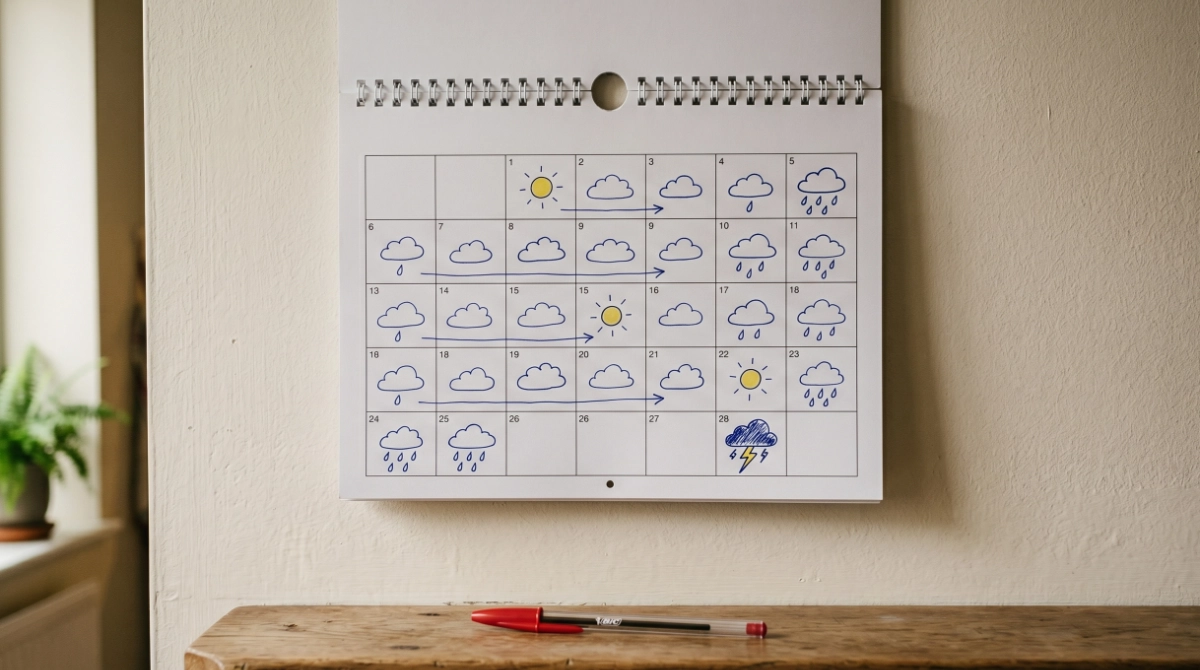
How to Describe Good Days vs Bad Days on a PIP Form
Why describing yourself at your best costs PIP points. The 50% rule applied to fluctuating conditions, with worked examples for ME/CFS, MS, bipolar and fibromyalgia.
fluctuating-conditions 50-percent-rule good-bad-days me-cfs fibromyalgia bipolar ms -

8 July 2026
What Changed for PIP in 2026 (And What Didn't)
The 4-point rule was dropped. UC reforms hit new claimants. Face-to-face assessments are back. A plain-English guide to the 2026 PIP landscape.
2026-changes reform 4-point-rule universal-credit policy -

1 July 2026
PIP Mobility Activity 11: Planning and Following a Journey
The highest-scoring mental health mobility activity. How to answer with anxiety, autism, ADHD, agoraphobia or panic disorder. Why driving doesn't disqualify you.
activity-11 mobility planning-journeys agoraphobia anxiety autism form-questions -

24 June 2026
PIP Question 9: Engaging With Other People Face-to-Face
Activity 9 of the PIP form is one of the most under-claimed. The masking trap, the social support descriptor, and how to score for autism, anxiety, PTSD, and EUPD.
activity-9 engaging social-anxiety autism ptsd mental-health form-questions -

17 June 2026
How to Claim PIP for Anxiety and Depression (2026 Guide)
The largest single PIP claim category, with a 50% first-decision success rate. A question-by-question guide to claiming PIP for anxiety and depression.
anxiety depression mental-health pip-conditions applying flagship -

10 June 2026
PIP1 vs PIP2: What Each Form Actually Asks
PIP1 is a 30-minute phone call; PIP2 is the 35-page form with a 1-month deadline that the DWP scores. The journey, the deadlines, the common mistakes.
pip1 pip2 claim-journey pip-basics applying deadlines -

3 June 2026
The PIP Reliability Test: Safely, Repeatedly, in Reasonable Time
PIP's four-part reliability test catches 'I can do it once' answers. If one limb fails - including post-exertional crash - a higher descriptor applies.
reliability-test pip-basics scoring fatigue fluctuating-conditions me-cfs fibromyalgia -

27 May 2026
The PIP 50% of the Time Rule, Explained With Examples
PIP's 50% rule scores the descriptor that applies on more than 183 of 365 days. Worked examples for fibromyalgia, ME/CFS, bipolar and long covid.
50-percent-rule fluctuating-conditions pip-basics scoring fibromyalgia me-cfs bipolar -
20 May 2026
PIP Descriptors Explained: 12 Activities & Scoring Rules
How PIP points are scored, in plain English: the 12 activities, the highest-descriptor rule, the 50% rule, and how 8 or 12 points decides your award.
descriptors scoring pip-basics daily-living mobility assessment